Performance Management Main Page Learn about this site and Robert BacalEmployee Review terms and definitions Performance Management Article Library Performance Management and Appraisal Frequently Asked Questions Articles by Robert Bacal, best selling McGraw-Hill Author Information about Bacal's books on Performance Management Expert and guest articles on performance management Tools for performance planning, conducting review meetings, guides, and morePerformance Improvement Consulting and ServicesOur recommended books on employee reviews, appraisals, and improving performance Free offers to help you undertake performance management betterMore features of this site
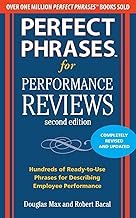
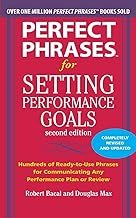
Perfect Phrases For Setting Performance Goals and ObjectivesHow To Manage Performance - 24 Lessons For Managing PerformancePerformance Management - A Briefcase BookA Critical Look At Performance Management SystemsPerfect Phrases For Performance ReviewsManager's Guide To Performance Reviews and Performance Management
Performance Management Books By Robert Bacal

Frequently Asked Questions About Performance Management, Performance Appraisals, Employee Reviews, Appraisal Forms and More

What Is "Rank and Yank"?
Navigate Performance Management and Appraisal Q & A's

General Questions
Questions From Employees
Performance Problems & Problem Employees
Performance Goals, Objectives and Planning
Performance Review Meetings
Employee Rating and Ranking Issues and "Rank and Yank"
Performance Management Forms and Policies
Merit Pay, Bonuses, and Pay For Performance
Improving Performance Management & Appraisal
360 Degree Feedback, Balanced Scorecards and Upwards Feedback
Performance Management Software
Employee Training, Development , Planning & Performance Management

Performance Management & Appraisal Cheatsheets
Short, low cost help to inform and guide you through appraisal meetings, goal setting, performance problems, progressive discipline. Starting at $6.48. All can be previewed free.


Rank and Yank is a term used to describe a process by which a company ranks its employees against each other, and terminates the employment of the people at the lowest end of the ranking (that's the yank).

The term probably came into being to describe the process used at General Electric (GE), and associated with former CEO Jack Welch.

The purported purpose of rank and yank is that by firing the worst performers, and replacing them, the company will end up with a better workforce. While Jack Welch and GE had considerable success while using this technique, it's likely that their success had nothing to do with this particular technique, and much more to do with the leadership ability of Jack, himself.

The technique, at least on the surface, sounds logical. However, it will only work if certain conditions hold. And, the cost of hiring people to replace the fired employees can be significant.

Also, there's no guarantee that the new employees will be better than the old, unless the hiring process if exremely effective. On top of that when rank and yank is used, the new employees need to learn their jobs, and will take a significant amount of time to come up to speed.

See also: Why Employee Ranking Systems Lead To Disaster

Use your feedreader or browser to access the newest and best resources at The Performance Management & Appraisal Help Center

Copyright Robert Bacal, 2000 - 2008 Reprint or distribution without permission prohibited.
Contact Information: | Bacal & Associates | 722 St. Isidore Rd. | Casselman, Ontario, Canada | K0A 1M0 | Phone: (613) 764-0241 | Email: ceo@work911.com |