Performance Management Main Page Learn about this site and Robert BacalEmployee Review terms and definitions Performance Management Article Library Performance Management and Appraisal Frequently Asked Questions Articles by Robert Bacal, best selling McGraw-Hill Author Information about Bacal's books on Performance Management Expert and guest articles on performance management Tools for performance planning, conducting review meetings, guides, and morePerformance Improvement Consulting and ServicesOur recommended books on employee reviews, appraisals, and improving performance Free offers to help you undertake performance management betterMore features of this site
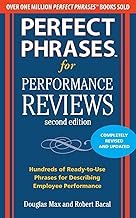
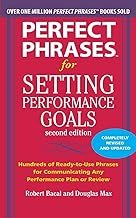
Perfect Phrases For Setting Performance Goals and ObjectivesHow To Manage Performance - 24 Lessons For Managing PerformancePerformance Management - A Briefcase BookA Critical Look At Performance Management SystemsPerfect Phrases For Performance ReviewsManager's Guide To Performance Reviews and Performance Management
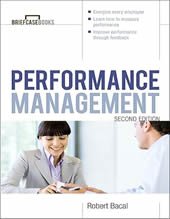
Performance Management Books By Robert Bacal

Frequently Asked Questions About Performance Management, Performance Appraisals, Employee Reviews, Appraisal Forms and More

What Is The False Attribution Bias? An Exceedingly Serious Employee Review Issue
Navigate Performance Management and Appraisal Q & A's

General Questions
Questions From Employees
Performance Problems & Problem Employees
Performance Goals, Objectives and Planning
Performance Review Meetings
Employee Rating and Ranking Issues and "Rank and Yank"
Performance Management Forms and Policies
Merit Pay, Bonuses, and Pay For Performance
Improving Performance Management & Appraisal
360 Degree Feedback, Balanced Scorecards and Upwards Feedback
Performance Management Software
Employee Training, Development , Planning & Performance Management

Performance Management & Appraisal Cheatsheets
Short, low cost help to inform and guide you through appraisal meetings, goal setting, performance problems, progressive discipline. Starting at $6.48. All can be previewed free.


We have a tendency to attribute success or failure to individual effort and ability (at least in North America). So when someone does well, we give them credit, and when someone does less well, we suggest it's somehow their fault. While there is some truth in this, the reality is that performance is a function of both the individual and the system he or she works in. Often we misattribute success and failure and assume they are both under the complete control of the employee. If we do, we will never improve performance.

This is exceedingly important for both the company, managers and employees. So much of what is accomplished, and not accomplished in organizations is a result of multiple factors, many of them completely NOT under the control of individual employees.

For example, a raw material supplier is late on a shipment. As a result, the manufacturing employees make far fewer widgets, which require the raw material. The False Attribution Error would be operating if the employees were evaluated as less able, or less productive, even though the factors that cause lost productivity are not under their control.

That's why individual performance needs to be assessed in context, and considering many factors in the system within which the employee works.

Use your feedreader or browser to access the newest and best resources at The Performance Management & Appraisal Help Center

Copyright Robert Bacal, 2000 - 2008 Reprint or distribution without permission prohibited.
Contact Information: | Bacal & Associates | 722 St. Isidore Rd. | Casselman, Ontario, Canada | K0A 1M0 | Phone: (613) 764-0241 | Email: ceo@work911.com |