Performance Management Main Page Learn about this site and Robert BacalEmployee Review terms and definitions Performance Management Article Library Performance Management and Appraisal Frequently Asked Questions Articles by Robert Bacal, best selling McGraw-Hill Author Information about Bacal's books on Performance Management Expert and guest articles on performance management Tools for performance planning, conducting review meetings, guides, and morePerformance Improvement Consulting and ServicesOur recommended books on employee reviews, appraisals, and improving performance Free offers to help you undertake performance management betterMore features of this site
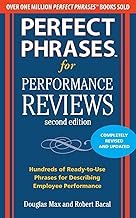
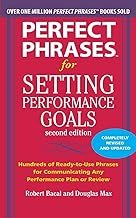
Perfect Phrases For Setting Performance Goals and ObjectivesHow To Manage Performance - 24 Lessons For Managing PerformancePerformance Management - A Briefcase BookA Critical Look At Performance Management SystemsPerfect Phrases For Performance ReviewsManager's Guide To Performance Reviews and Performance Management
Performance Management Books By Robert Bacal

Frequently Asked Questions About Performance Management, Performance Appraisals, Employee Reviews, Appraisal Forms and More

What Is BARS (Behaviorally Anchored Rating Scales)
Navigate Performance Management and Appraisal Q & A's

General Questions
Questions From Employees
Performance Problems & Problem Employees
Performance Goals, Objectives and Planning
Performance Review Meetings
Employee Rating and Ranking Issues and "Rank and Yank"
Performance Management Forms and Policies
Merit Pay, Bonuses, and Pay For Performance
Improving Performance Management & Appraisal
360 Degree Feedback, Balanced Scorecards and Upwards Feedback
Performance Management Software
Employee Training, Development , Planning & Performance Management

Performance Management & Appraisal Cheatsheets
Short, low cost help to inform and guide you through appraisal meetings, goal setting, performance problems, progressive discipline. Starting at $6.48. All can be previewed free.


BARS refers to Behaviourally Anchored Rating Scales. It was developed by Smith and Kendall to provide a better method of rating employees. It differs from "standard" rating scales in one central respect, in that it focuses on behaviors that are determined to be important for completing a job task or doing the job properly, rather than looking at more general employee characteristics (e.g. personality, vague work habits).

So, rather than having a rating item that says: Answers phone promptly and courteously, a BARS approach may break down that task into behaviors: For example:

  • Answers phone within five rings.
  • Greets caller with "Hello, This is the Dinkle Company, how may I help you?"

Notice how the BARS items are describe the important BEHAVIORS. Once those behaviors are identified for a particularly job, or employee, the items can be used to base a numerical or performance label on, let's say a five point, or seven point scale.

See Also: Are Behaviorally Anchored Rating Scales Superior To More General Approaches?


Use your feedreader or browser to access the newest and best resources at The Performance Management & Appraisal Help Center

Copyright Robert Bacal, 2000 - 2008 Reprint or distribution without permission prohibited.
Contact Information: | Bacal & Associates | 722 St. Isidore Rd. | Casselman, Ontario, Canada | K0A 1M0 | Phone: (613) 764-0241 | Email: ceo@work911.com |